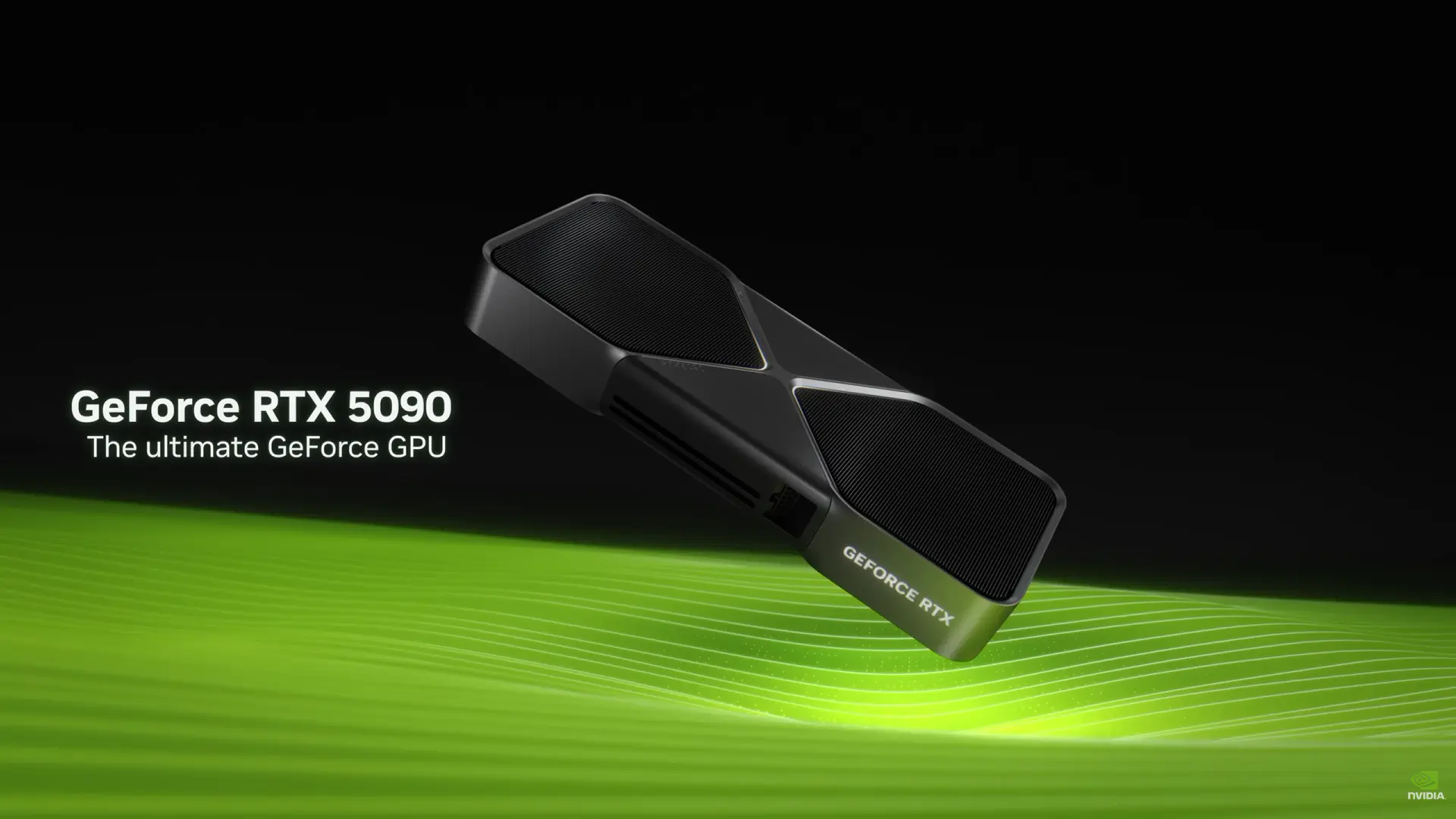
A reported RTX 5090 purchase at Micro Center in Tustin, California turned into something closer to an export-compliance procedure. A customer buying a PowerSpec Ai90 prebuilt with an RTX 5090 was asked to sign a declaration related to the system's end use and provide a driver's license for identity verification. According to the report, the store could potentially connect the GPU's serial number back to the original buyer if the card later surfaced in an export shipment.Image unavailableThe measure is tied to US export restrictions on high-end GPUs and efforts to prevent restricted hardware from being redirected abroad, particularly to markets covered by US controls. The declaration says the buyer is purchasing the product for legitimate personal or business use in the United States, or has accurately identified the actual end user. That is more precise than saying the buyer is forbidden from ever taking the PC outside the country under any circumstances.Finding an RTX 5090 was already difficult enough. Now, at least in this reported Micro Center case, buying one inside a complete gaming PC also meant signing paperwork and showing ID. For an ordinary gamer buying a home system, that may amount to little more than an extra form. For someone planning to resell high-end GPUs into restricted markets, the identity check and serial-number trail create a much more serious obstacle.