Beijing-based studio S-GAME began work on Phantom Blade Zero back in 2016, initially envisioning it as a remake of one of its older mobile games. Development was put on hold and restarted several times, with full-scale production only getting underway in 2022.Over the years, Phantom Blade Zero became one of the most anticipated releases around. Comparisons with Black Myth: Wukong were inevitable: another major Chinese hit drawing on a similar cultural heritage and some familiar action-game conventions.
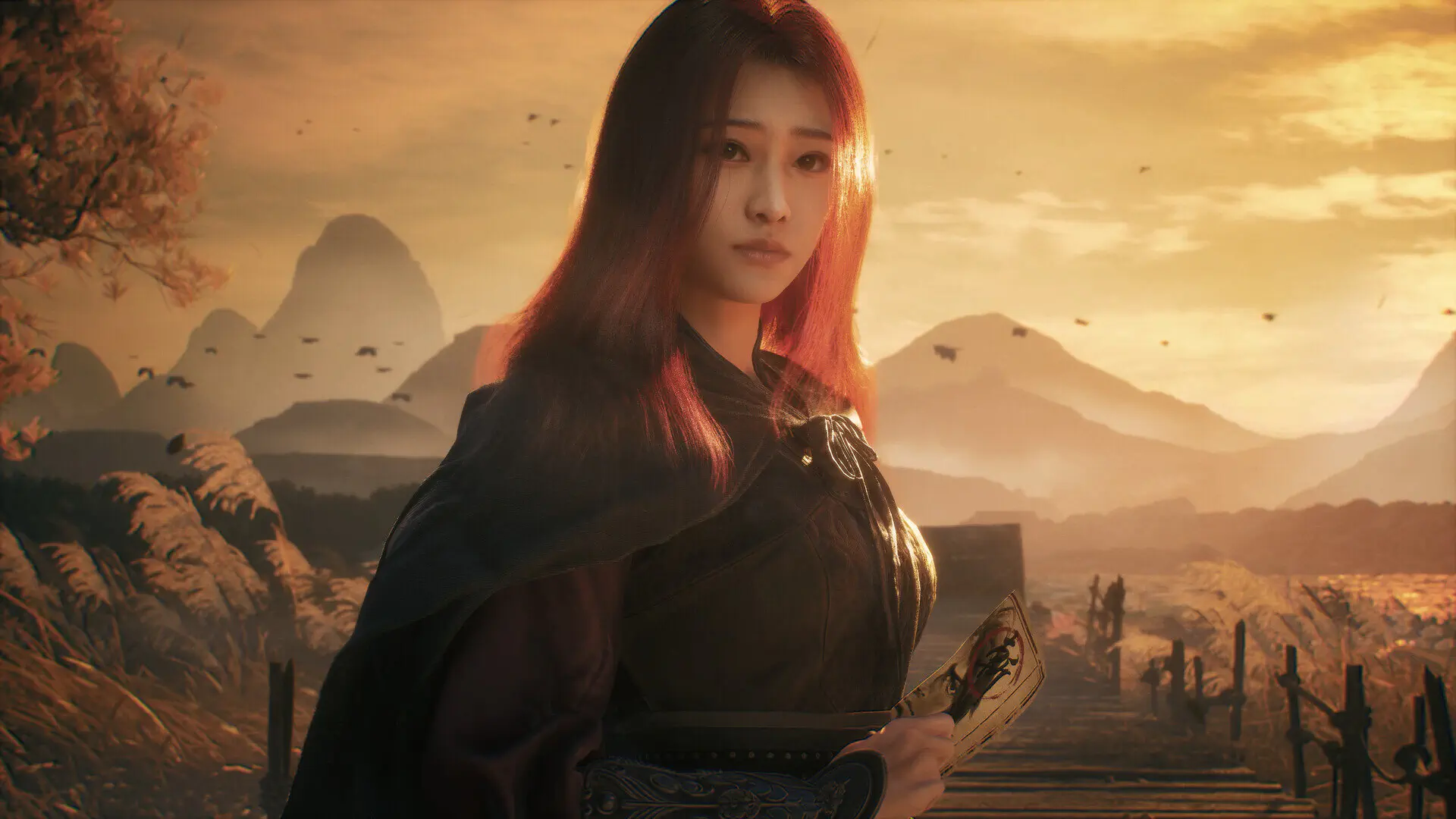
Phantom Blade ZeroPhantom Blade ZeroPhantom Blade Zero takes place in the fictional Phantom World, a fantasy interpretation of Ming Dynasty China. Wuxia traditions sit alongside steampunk technology, dark fantasy, and horror imagery. The developers cite Hong Kong martial arts cinema as a major inspiration, and you can see it in certain sequences, from the fight choreography to the camerawork in cutscenes.The protagonist, Soul, is an elite assassin who has spent years serving a secret organization known as the Order. He is framed for the murder of its leader, and his former allies turn against him. In a decisive duel, Soul's brother deals him a fatal wound to the heart. A mysterious healer brings him back to life by implanting a corrupted heart.The strange organ leaves Soul with just 66 days to live. What follows is an investigation into the conspiracy that brought him to this point, and a race to untangle the Order's schemes before his time runs out.Phantom Blade ZeroPhantom Blade ZeroThe story is structured around memories and side quests, which influence which of the three main story endings players receive. It's an interesting idea, but the execution falls short. The characters are bland, and their dialogue rarely amounts to more than functional lines pointing you toward the next map marker. The central mystery, including the rather unconvincing betrayal of the protagonist, isn't particularly gripping either.The world feels much more carefully developed than the people living in it. I felt that throughout my playthrough. There are dramatic twists, but I struggled to care about the characters because the game barely gives them time to develop between fights.
A World in Shades of Gray
Phantom Blade ZeroPhantom Blade ZeroPhantom Blade Zero has a semi-open world, with some parts of the map only becoming accessible once you obtain a particular weapon or ability. That gives exploration a slight Metroidvania flavor. Progression revolves around a skill tree and weapon upgrades. Materials earned through exploration and side quests can be invested in improving your blades.
There are more than 30 primary weapons and over 20 so-called Phantom Edges, secondary weapons ranging from bows and halberds to axes and hammers. Each brings new abilities to the table, and some can even open up alternative routes.
For anyone who finds the standard difficulty too forgiving, there's Hellwalker mode, where enemies are noticeably more aggressive. Finishing the game also unlocks a separate 66 Days mode based on Hellwalker difficulty. Every death costs Soul one of his remaining days. Die 66 times, and the run is over for good. I haven't encountered quite this approach before, and I think it does a great job of conveying how little time the protagonist has left. Of course, you try it at your own risk.
Another design choice had already raised questions in the community before launch. Most defeated enemies in Phantom Blade Zero don't respawn when you rest, unlike in Soulslikes and other action RPGs, where returning to a bonfire or altar usually resets the enemies in an area.
The developers explained that they wanted every encounter to feel unique rather than turn into a routine of farming the same enemies for resources. I was skeptical of that decision at first, but in practice, it works in the game's favor. You'll return to the bells regularly anyway, since they provide access to fast travel and other features, while new routes and side quests give you reasons to revisit different areas.
Combat Is the Highlight
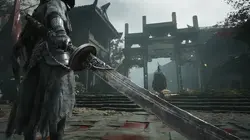
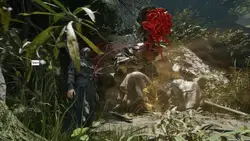
Phantom Blade ZeroPhantom Blade ZeroBut the main reason to play Phantom Blade Zero is, of course, the combat system. It's good enough to make the game's other rough edges easier to tolerate. Soul can carry two primary weapons at once, each with its own powerful attacks, and switch between them in the middle of a fight to chain together combinations from different styles. Phantom Edges add another layer to the arsenal, letting you do things like strip an enemy of their shield.The central combat resource is Sha-Chi, a gauge spent on powerful attacks and guarding. Think of it as a stamina-like resource, although it works differently from a conventional stamina bar. Most bosses also have their own guard gauge. Deplete it, and you'll get a lengthy opening to unleash a series of attacks. Enemy moves are color-coded, so you have a split second to read the warning. Red-flash attacks require a last-moment dodge, while blue-flash attacks are best answered with a well-timed parry. Pull off a precise parry or dodge against a dangerous move, and Ghoststep can trigger, instantly moving Soul behind the enemy and creating an opening for a counterattack.Phantom Blade ZeroPhantom Blade ZeroAccording to the developers, real martial artists helped create the fighting animations. You can feel that in many of the movements: the blows look weighty and convincing, though not always. Some enemies swing enormous weapons as if they were ordinary sticks, and not every animation is equally successful. Overall, though, the combat remains engaging and tense right through to the finale.
The Problems
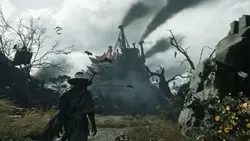
Phantom Blade ZeroPhantom Blade ZeroIt's a shame the rest of the game's visuals and technical presentation don't quite reach the same standard as its combat. Graphically, Phantom Blade Zero is a mixed bag. Certain locations and carefully staged scenes are genuinely impressive, particularly when the architecture and lighting do the heavy lifting.
But I can't say I like the way the game looks overall. Much of its world is rendered in muted, sometimes almost entirely gray tones that don't deliver the visual impact I'd expect from a AAA release. Against the occasional truly striking scene, the broader art direction feels like wasted potential. I simply didn't enjoy this approach to the game's visual style.
The technical side is similarly uneven. I played on PC, and for the most part, the game runs extremely well. With ultra graphics settings and path tracing enabled on an RTX 5070 Ti, an Intel Core i5-13400F, and 32GB of RAM, the frame rate remained stable. I didn't notice any obvious slowdowns or stuttering.Phantom Blade ZeroPhantom Blade ZeroThere are still problems, though, and the biggest one involves cutscenes. Sometimes the videos simply wouldn't load. Instead of watching a cinematic sequence, I'd be staring at a black screen, trying to work out what was happening from the audio alone. Reloading a save usually fixes it, but it's frustrating that the bug is there at all.
The second major issue is the camera. When more than three or four enemies are on screen at once, it can jerk abruptly between targets. In particularly chaotic encounters, that makes it difficult to follow incoming attacks and react in time. I never had the same problem in one-on-one duels.
A Huge Success
Phantom Blade ZeroPhantom Blade ZeroDespite those shortcomings, players have embraced the game enthusiastically. Phantom Blade Zero had already amassed more than three million wishlists before launch. On its first day, it climbed into Steam's top three games by concurrent players. Its peak player count went on to surpass every other single-player release of the year, including Resident Evil Requiem and Crimson Desert, as well as cooperative hits such as Subnautica 2 and Slay the Spire 2. Sales were just as impressive: more than four million copies were sold across PC and PS5 in the first 72 hours.Phantom Blade Zero is a game of obvious strengths and weaknesses. Its combat system is genuinely among the best the genre has seen in recent years, both thoughtfully designed and spectacular to watch. At the same time, the story doesn't give its characters enough room to develop, the visual style often falls flat, and technical issues leave a sour aftertaste. Even so, the best parts of Phantom Blade Zero ultimately outweigh its flaws.
7.3/10
NOWGAME SCOREVerdict
A quick look at the game’s strengths and weaknesses.
Pros
Spectacular, fast-paced combat with satisfying parries, dodges, and counters
Wide variety of weapons and fighting styles
Challenging boss fights and rewarding combat mechanics
Interesting exploration and replayability, especially in 66 Days mode
Excellent PC performance, even at ultra settings with path tracing
Cons
Weak storytelling and underdeveloped characters
Dull, overly gray environments and inconsistent visual quality
Cutscene bugs that sometimes leave the screen completely black
Unreliable camera during fights against multiple enemies