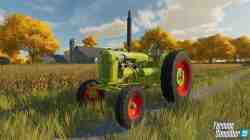
There are many ways to build up your bank balance in Farming Simulator 22. Growing crops is the obvious starting point, but a profitable farm also depends on cutting unnecessary costs, choosing the right jobs, timing sales, and turning basic materials into more valuable products. This guide covers reliable early-game income methods and several options that become useful as your farm expands.
How to Make Money Quickly at the Start
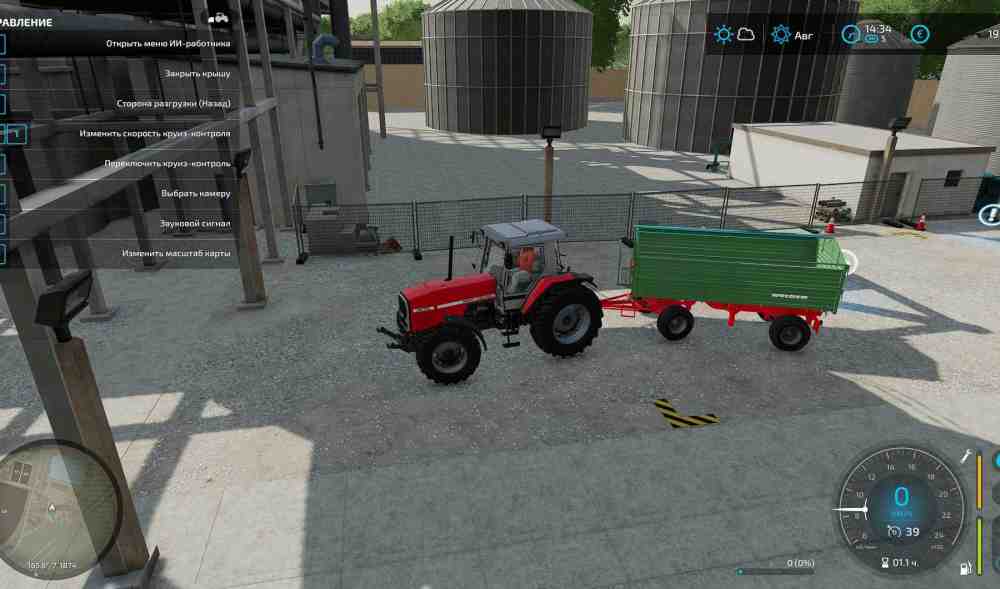
Farming Simulator 22 can take dozens of hours to learn, especially if this is your first game in the series. Before spending your starting cash, it helps to understand the basic systems and know which jobs you can handle with the equipment you already own.For the easiest start, choose New Farmer. In this mode you begin with land, machinery, and a functioning farm setup, although the exact package depends on the map. Elmcreek is built around conventional crop farming, while Erlengrat is particularly well suited to grassland and livestock. If your goal is to learn the economy without constantly fighting expenses, you can also lower Economic Difficulty in the game settings.How to make money quickly at the startHow to make money quickly at the startBefore buying anything, inspect the machines and placeables that came with your farm. A starter property may contain:
A farmhouse.
A large barn or shed.
A grain silo.
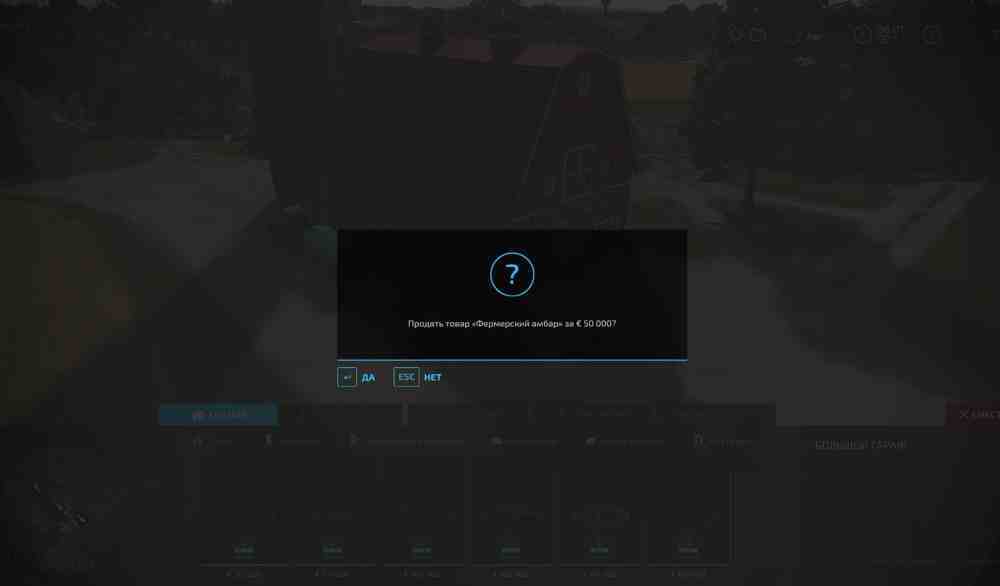
Keep anything you use regularly and consider removing or selling placeables that serve no purpose in your current plan. Do not rely on the old fixed figure of 50,000 for selling a barn, because the amount depends on the building and the current version of the map. Storage is usually worth keeping, while an unused shed can be converted into extra starting capital if the game allows it to be sold. Later, you can replace it with a hayloft, workshop, animal building, or production site that actually supports your farm.How to make money quickly at the startHow to make money quickly at the startFarm Manager works differently. You start with a larger pool of money but no owned land or machinery, so there is no starter farm to strip for cash. Buy only the land and equipment needed for your first activity, then use contracts to earn money between your own jobs. Later in this guide we explain how contracts work, while this guide covers buying land and machinery.
How to Save Money on Machinery and AI Workers
Owning every machine in Farming Simulator 22 is rarely efficient. Harvesters, specialist loaders, stone pickers, and other expensive machines may sit unused for much of the year. Early on, it is often better to own the equipment you use constantly and lease or borrow machinery needed only for occasional jobs. Before spending money, it is worth learning how the Vehicle Shop works:
Leasing Vehicles and Tools
Leasing is useful when you need an expensive machine for a short period. A combine harvester, an extra tractor, or a loader can be cheaper to lease for one busy job than to purchase and maintain all year. However, leasing is not a single flat monthly payment. The game charges an initial lease cost and continues adding charges based on how long the machine remains leased and how much it is used. Return rented equipment as soon as the job is finished. If you keep leasing the same machine for many working hours or across many months, buying it can eventually become the cheaper option.
Should You Hire AI Workers?
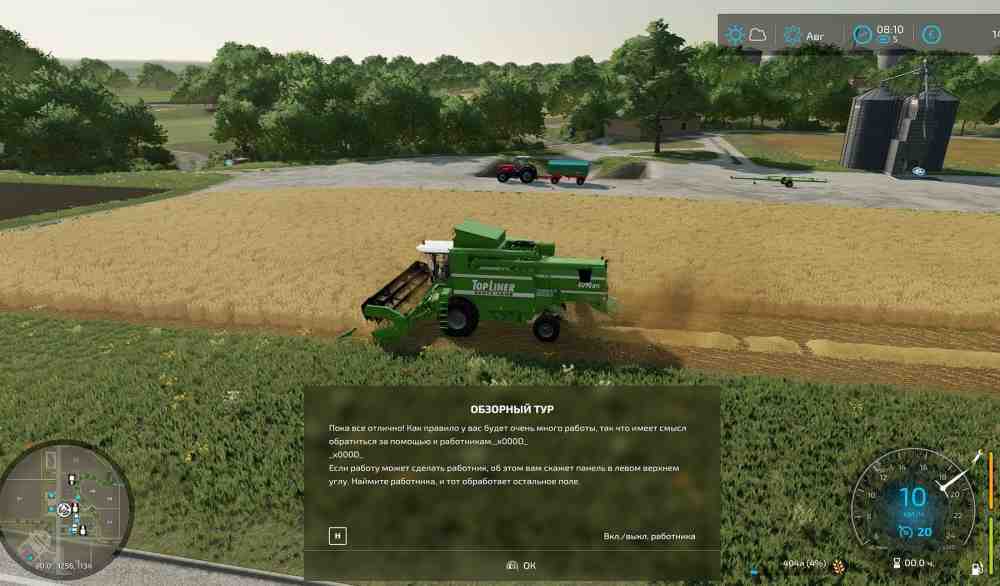
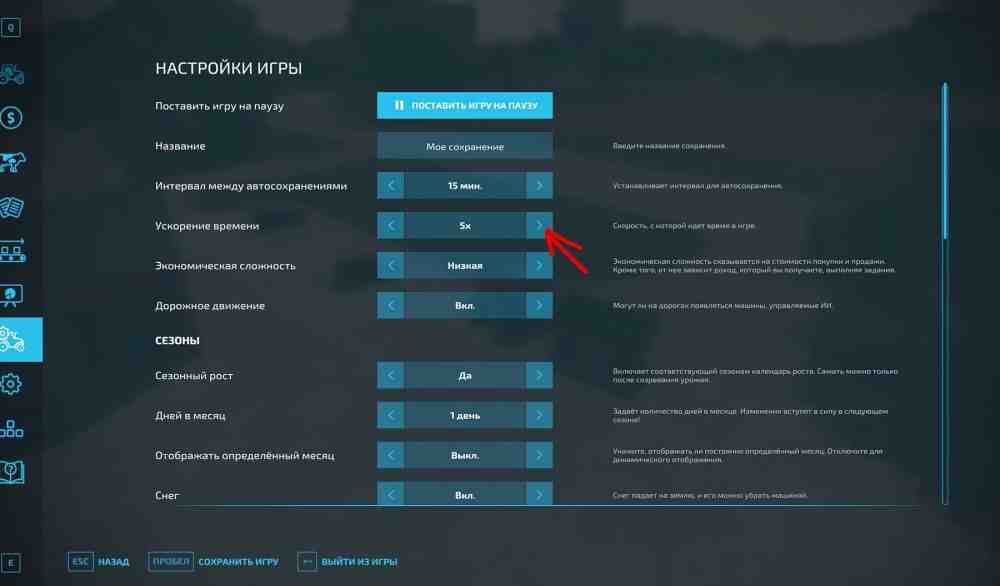
AI Workers can save a great deal of real time, but every minute of hired labor costs money. They are most useful when running several jobs at once, not when your farm is so small that you can easily do everything yourself. In Farming Simulator 22, workers can perform field work and can also be assigned jobs such as driving to a destination, delivering goods, or loading and delivering between supported points.Should you hire AI Workers?Should you hire AI Workers?At the beginning, doing simple field work yourself keeps expenses down. You can also adjust the timescale instead of rushing through the day. Real time or a low multiplier gives you more room to finish planting, harvesting, or transporting goods, while a high multiplier is useful when you are simply waiting for crops or productions. GIANTS recommends real time or up to 5x for normal field work. Remember that AI refill options can also make workers automatically purchase seed, fertilizer, slurry, manure, or fuel, which is convenient but adds to your running costs.Should you hire AI Workers?Should you hire AI Workers?
The Main Way to Make Money: Grow, Harvest, and Sell Crops
Crop farming remains the core source of income in Farming Simulator 22. The basic loop is simple: prepare the field, plant a crop, improve its yield, harvest it, and sell at a favorable price. Once you have enough capital, production chains let you turn raw crops into flour, bread, oil, clothing, and other goods that can be worth more than the original material.
Land Preparation and Harvesting Basics
Before trying to maximize profit, learn the field systems that directly affect yield and operating costs. These guides cover the most important steps:Once you know the basics, build a routine around the machines you already own. Prepare and fertilize the field, sow the crop, control weeds, and wait for the harvest window. When the crop is ready, use a suitable harvester and header, unload into a trailer, then decide whether to sell immediately, store the crop for a better month, or send it into a production chain. Avoid buying specialist equipment for a single field unless the expected return justifies the cost.
What Should You Do With the Harvest?
The fastest option is a direct sale. Open the Prices screen, select the product, and compare the available selling points. Prices change over time and also depend on Economic Difficulty, so old fixed price tables are not reliable. If the current offer is weak and you have storage space, keep the crop in a silo and wait for a stronger month. The price fluctuation chart can help you estimate when a product normally reaches its seasonal high.Some selling points are reached by train and require additional handling. A higher listed price is not always worth the extra travel, rental time, or logistics. Compare the final return with the effort involved before choosing a buyer.What should you do with the harvest?What should you do with the harvest?
How to Expand Into Animals and Production Chains
Once the farm has a stable cash flow, raw crops are no longer your only option. Build or purchase production facilities to process them into more valuable goods, add animal husbandry, or use greenhouses and beehives to create additional income. Before expanding, these guides will help with the relevant systems:Production chains are especially useful when you already grow the required inputs. Instead of immediately selling wheat, for example, you can process grain into flour and then use the flour in further production. Greenhouses are another useful source of steady income because they work throughout the year as long as you supply water. Their output can be stored as pallets, sold automatically, or distributed to another production facility. Manual selling takes more work but normally pays better than automatic selling.Bees require very little day-to-day attention. They create honey automatically and can also improve the yield of nearby canola, sunflower, and potato fields. Honey can be sold directly or sent into a production chain.
Other Ways to Make Money
Many materials that look like side products can still contribute to your income. Grass, hay, straw, silage, and field stones all have uses, and several of them can become valuable if you process them instead of selling them in their basic form.
How to Collect Grass, Hay, and Straw
There are two common ways to collect loose grass, hay, or straw:
Turn the material into bales with a baler.
Pick up loose material with a forage wagon.
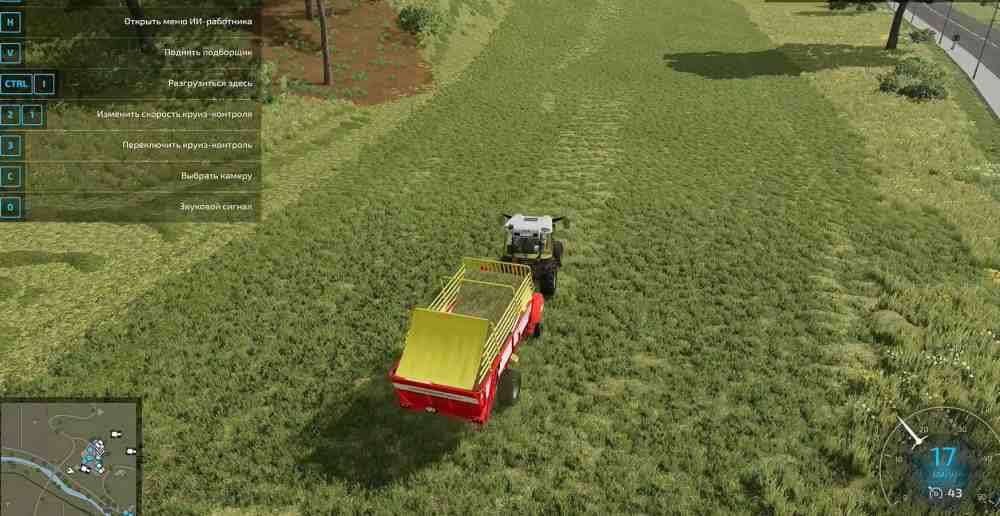
Bales are compact and convenient for storage, feeding, wrapping, and transport, but moving them efficiently may require a bale loader, front loader, telehandler, or other handling equipment. Small bales are easier to move manually. If you do not want to deal with bale handling, a forage wagon is often the simpler option.A forage wagon collects loose grass, hay, or straw directly from the ground. Grass and hay can then be used for animals or further processing, while hay and straw can be stored in a hayloft. Choose the workflow that matches the machinery you already own rather than buying an entire bale-handling setup for a small amount of material.How to collect grass, hay, and strawHow to collect grass, hay, and straw
How to Make Money From Grass
Grass is one of the easiest resources to produce because it can be planted on fields and is also found across many owned areas. It regrows after mowing, which makes a dedicated grass field useful for repeated harvests. You can sell grass, feed it to animals, turn it into hay, or convert it into silage for a much better return.After mowing grass, you have two basic options:
Collect it as grass with a forage wagon or baler.
Run a tedder over it to convert it into hay, then collect or bale the hay.
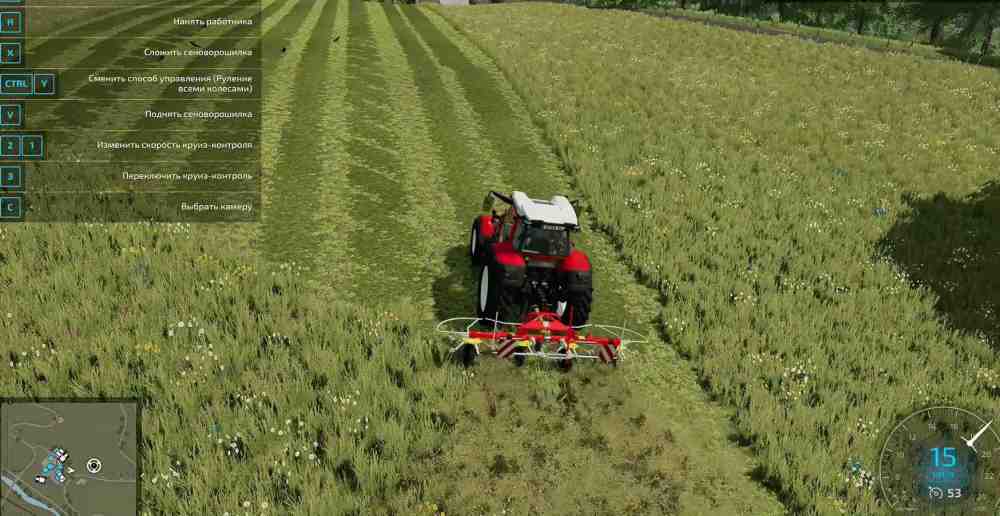
Do not leave grass on the field expecting it to become hay by itself. In the base game, hay production requires a tedder. A windrower can then gather the material into neat rows so a forage wagon or baler can pick it up more efficiently.How to make money from grassHow to make money from grassWhether hay is worth making depends on what you plan to do with it. Check current market prices instead of relying on old examples, because selling prices fluctuate with the economy and the time of year. If you own cows, hay is also useful as feed and as an ingredient in Total Mixed Ration.Silage is usually a stronger money-making option than selling raw grass. You can wrap compatible grass bales and let them ferment, or collect grass or chaff in a bunker silo, compact it to 100 percent, cover it, and wait for fermentation. Finished silage can be sold at supported selling points such as the Biogas Plant or Animal Dealer, or kept for cow feed.Grass and hay are useful cow feed. If cattle are part of your long-term plan, keeping some of each can save money later instead of forcing you to buy feed.
How to Make Money From Straw
Straw is a by-product of wheat, barley, and oat. Enable the straw swath on a compatible combine harvester, then collect the material with a forage wagon or baler. Because straw comes from a crop you were already harvesting, selling the surplus can add extra income without using another field.Straw is not a normal standalone feed for cows or horses. It is mainly used as bedding in compatible animal buildings and can also be included in Total Mixed Ration for cows. Keep some if you plan to run livestock, then sell any excess.
How to Make Money by Selling Field Stones
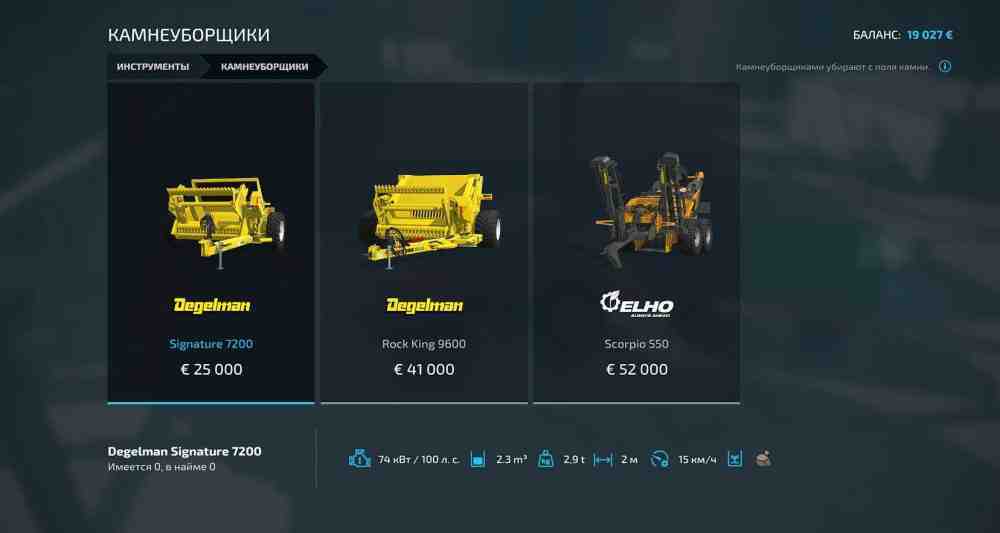
Field stones can appear after plowing and cultivating. They do not reduce crop yield directly, but larger stones increase wear on certain machinery, particularly harvesters. That makes removing them useful even though the stones themselves are not especially valuable.Small stones can be pushed back into the soil with a roller after sowing, which also provides the normal rolling yield bonus. Medium and large stones need a stone picker. If stones are enabled in your save and you encounter them regularly, leasing a picker is a sensible early option, while buying one becomes more attractive once you have enough fields to keep using it.How to make money by selling field stonesHow to make money by selling field stonesThere is little reason to dump collected stones in a pile unless you need them for another purpose. Empty the stone picker directly at the Rock Crusher when convenient. The payout is modest, so think of stone sales as compensation for field maintenance rather than a major source of profit.
Completing Contracts
Contracts are one of the safest ways to earn money without owning much land. You do not need to buy every machine required for a contract. If you do not own suitable equipment, choose the option to borrow the contractor's machines for a fee. Using your own equipment gives you a larger net reward, but borrowing machinery avoids a large investment and is often the better choice for beginners.Completing contractsCompleting contractsAvailable jobs change over time and can include cultivating, sowing, fertilizing, spraying, harvesting, baling, and other field work. Contracts are particularly useful when your own fields are growing and your machinery would otherwise sit idle. Check the reward, field size, travel distance, and borrowing fee before accepting a job. A high headline payment is not always the best deal if the contract takes a long time or requires costly supplies.Those are the main ways to build your finances in Farming Simulator 22. For a strong start, control expenses first, use contracts between your own field jobs, store crops when prices are poor, and gradually move into higher-value activities such as silage, greenhouses, livestock, and production chains.