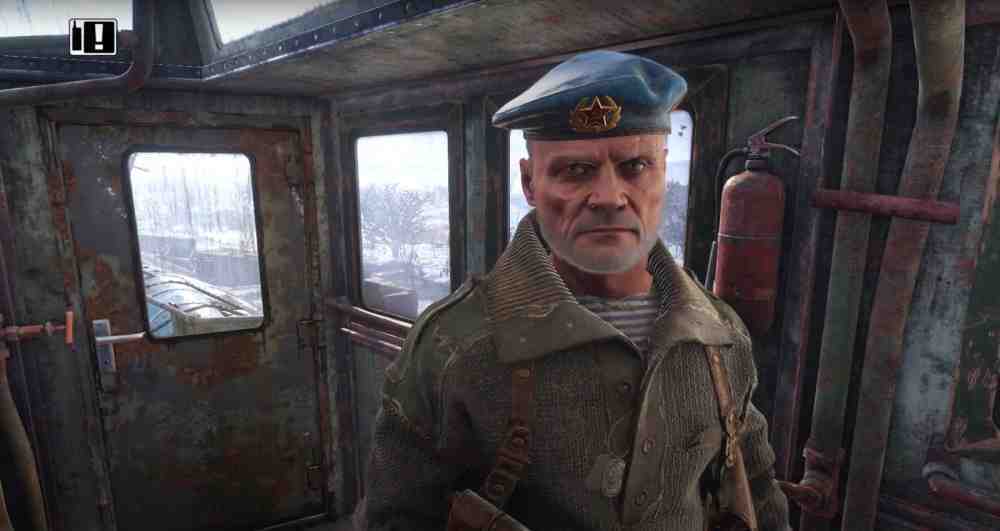
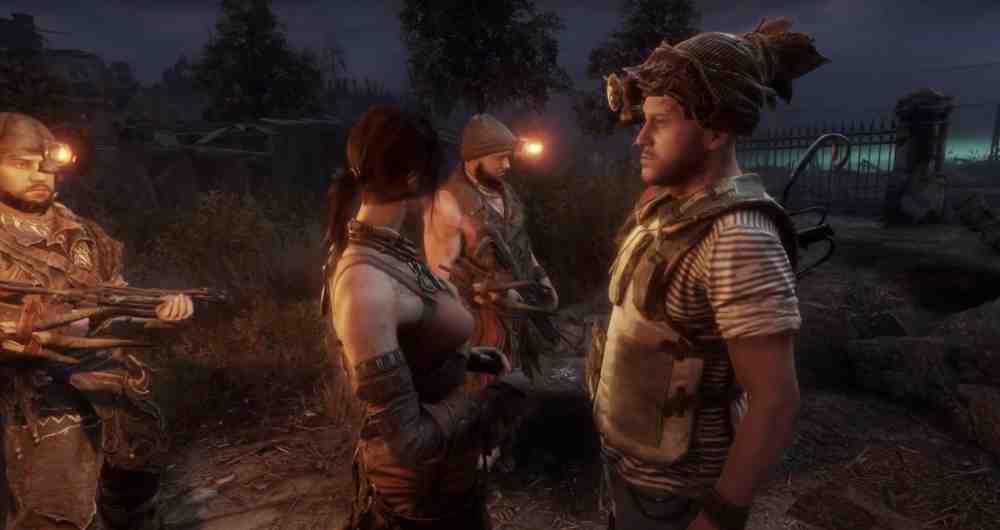
Metro Exodus has two main endings, but the game never shows you a morality meter or clearly explains which decisions matter. The final result depends on the fate of three members of the Aurora crew during the semi-open chapters: Duke in The Volga, Damir in The Caspian, and Alyosha in The Taiga. To get the good ending, at least two of these three characters must remain available to help Artyom at the end of the story. If you save all three, you also unlock the Full Strength achievement or trophy.The game tracks these outcomes through hidden Moral Points. Positive actions are usually accompanied by a bright white flash and an audio cue, while negative actions can trigger a darker flash and a different sound. There is no single mandatory checklist that must be completed perfectly in every chapter: the game evaluates the balance of your actions, so several optional good deeds can compensate for mistakes. That said, killing civilians, slaves, surrendering enemies, or members of factions the story explicitly asks you to spare is the fastest way to ruin a chapter outcome.
How the Good and Bad Endings Work
For the good ending, Artyom needs enough compatible blood donors after the events in Novosibirsk. That means at least two of Duke, Damir, and Alyosha must reach the final part of the journey in a condition that allows them to help. Duke must survive The Volga, Damir must return to the Aurora after The Caspian, and Alyosha must leave The Taiga without being wounded. If two or three of those conditions are met, Artyom survives and the Your Destination achievement or trophy is awarded.The bad ending occurs when only one or none of those three companions is available. In that version, the crew cannot provide enough blood to save Artyom after the Dead City, so he dies after saving Anna. The corresponding achievement or trophy is Eternal Voyage. Moral Points from one chapter do not directly rescue a companion whose own chapter was failed, so having an excellent Caspian run cannot compensate for losing both Duke and Alyosha.
General Rules for Moral Points
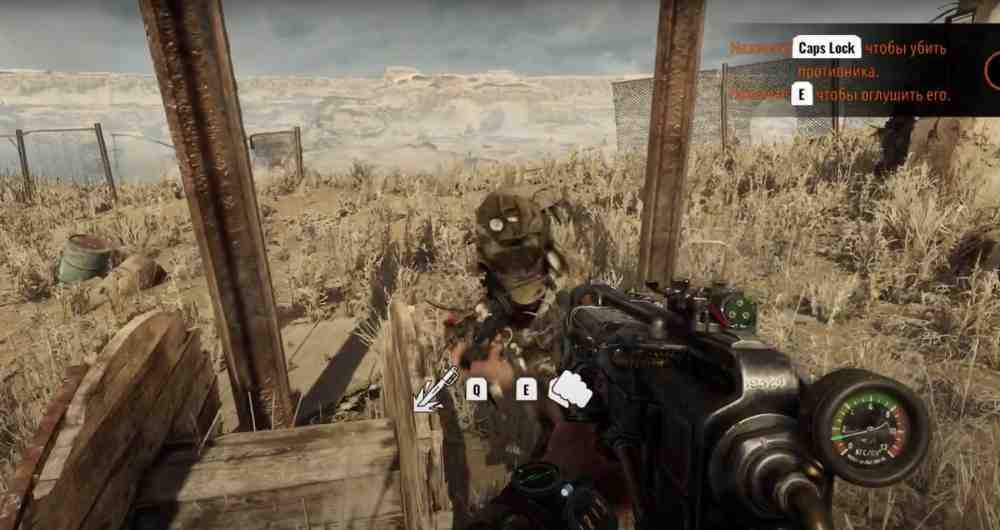
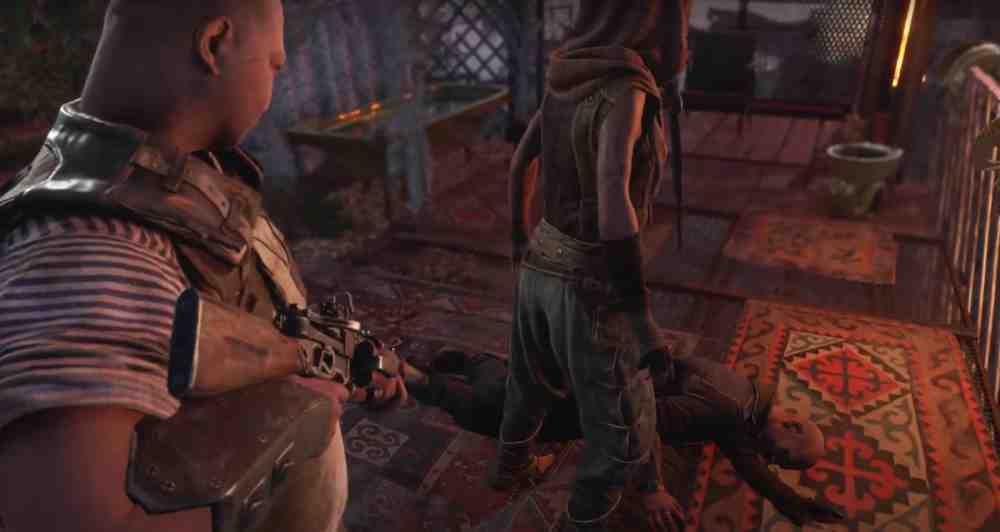
You do not need to play the entire game as a complete pacifist. Bandits, mutants, cannibals, and many openly hostile enemies can be killed without automatically ruining the ending, while the game is much more sensitive about civilians and people who are being coerced or surrendering. The safest rule is to listen to dialogue and identify which faction the chapter is asking Artyom to understand rather than simply exterminate. If an enemy drops their weapon and gives up, stop shooting and either leave them alone or knock them out when the game allows it.Do Not Kill Civilians in Metro ExodusDo Not Kill Civilians in Metro ExodusSurrendering enemies are another common source of negative morality. A single mistake does not necessarily destroy an entire playthrough because the chapters use a point system, but repeated executions can quickly push the outcome in the wrong direction. Optional rescues and acts of mercy are therefore useful not only for role-playing but also as a buffer if something goes wrong. If you see the dark negative-morality flash after an action you did not intend, reloading the latest checkpoint is the safest option.Spare Enemies Who SurrenderSpare Enemies Who Surrender
The Volga: How to Keep Duke Alive
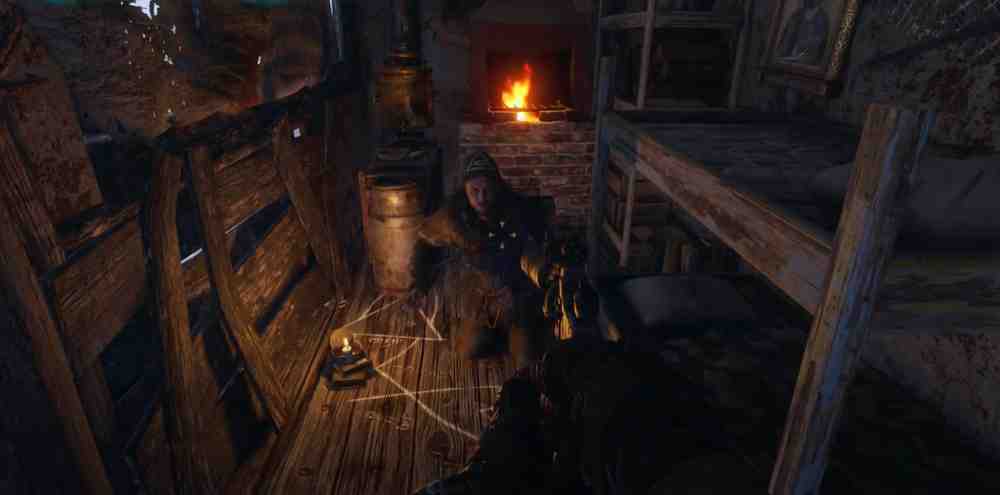
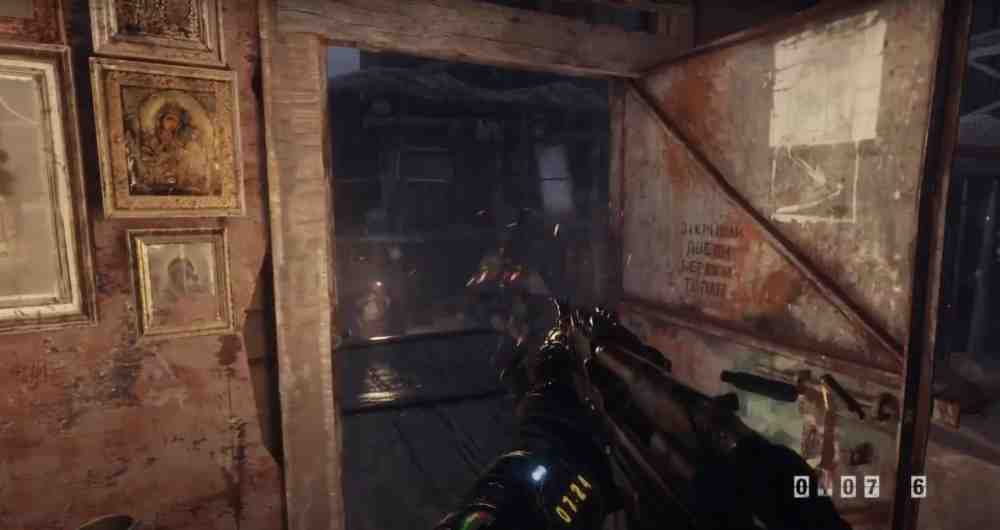
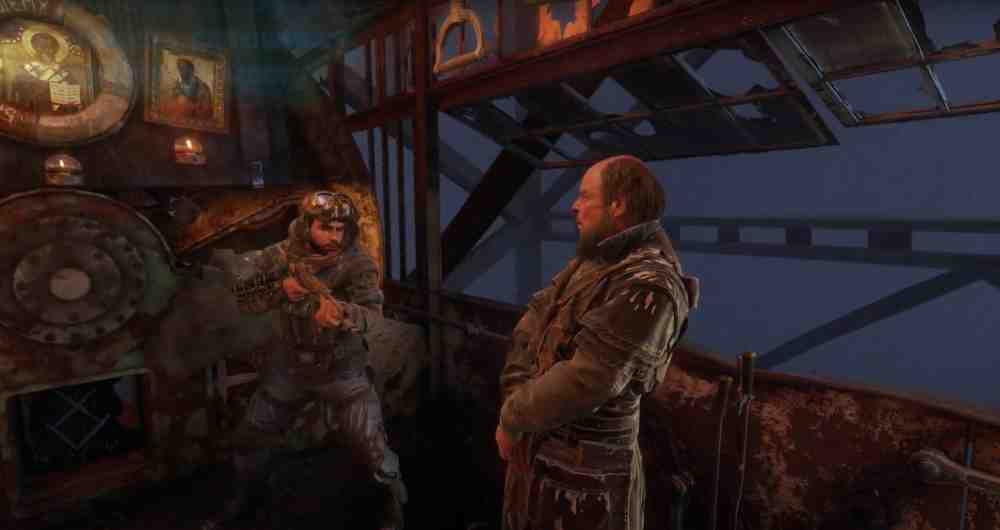
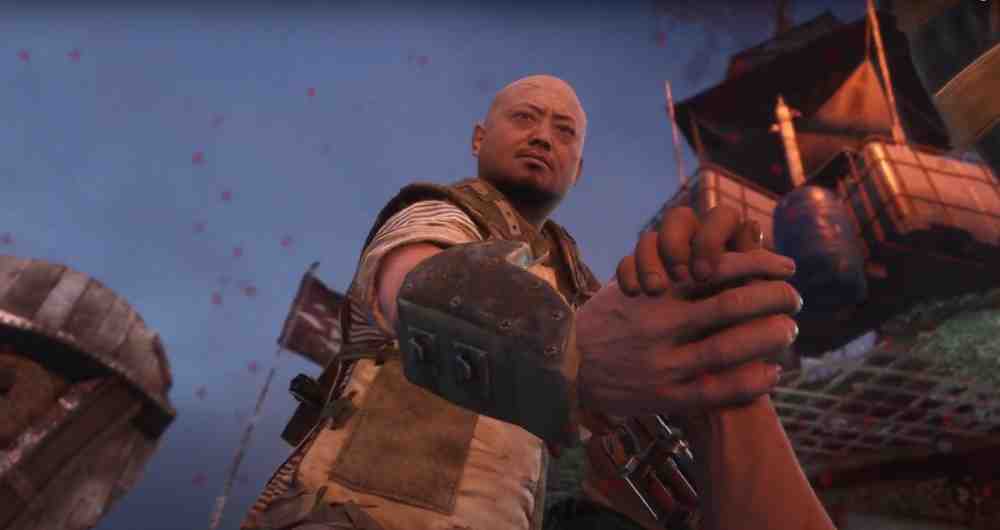
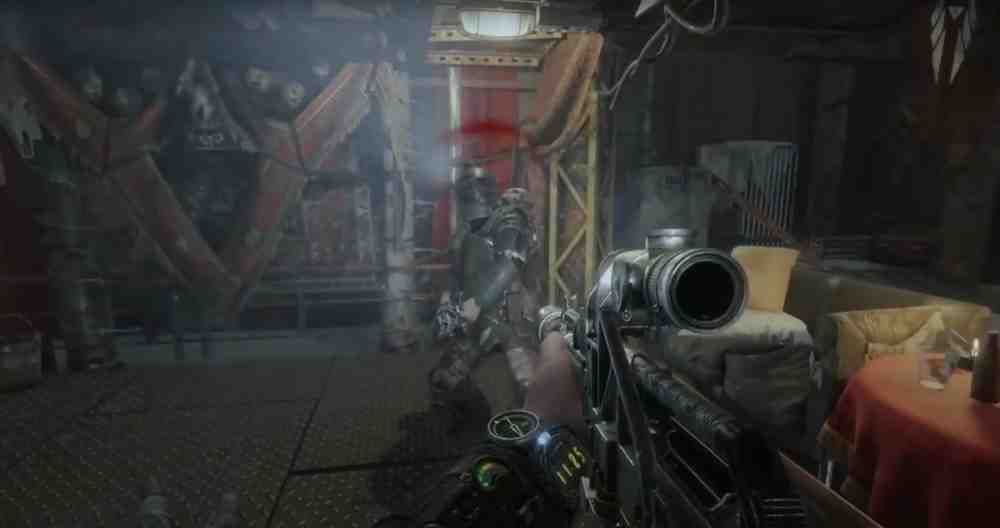
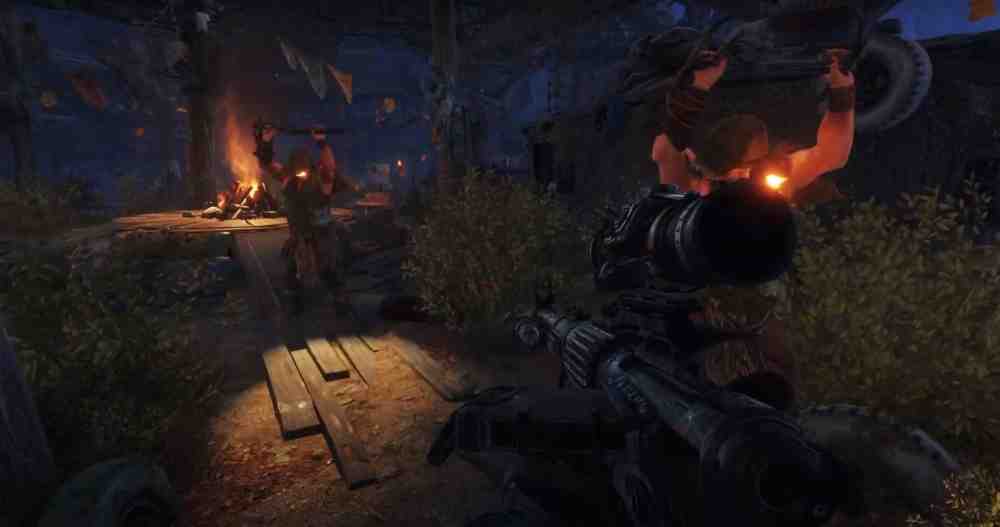
The Volga determines whether Duke survives. The central moral conflict is the Church of the Water Tsar: most of Silantius' followers are frightened civilians and fanatics rather than ordinary bandits, so massacring them works against you. To guarantee the safest route, avoid killing cultists at the church, on the traders' tugboat, and during the final infiltration of the bridge. You can knock enemies out when necessary, but stealth is strongly recommended in the major cultist encounters.The first church sequence can award a positive Moral Point if you escape without killing the guards and without being detected. Around the map, you can earn additional positive points by rescuing captured fanatics from bandit camps and avoiding the murder of non-hostile cultists. Nastya's teddy bear and Stepan's guitar are worth collecting for side content and achievements, and some optional actions can add positive morality, but neither should be treated as the single requirement for saving Duke. Killing the giant Catfish is also unrelated to Duke's survival.The Giant Catfish Does Not Decide Duke's FateThe Giant Catfish Does Not Decide Duke's FateThe final operation is the most important part of the chapter because Artyom and Duke must infiltrate the bridge controlled by Silantius. If your morality is high enough and you have shown restraint toward the cult, Silantius orders his followers to hold their fire and Duke jumps safely onto the Aurora with Artyom. If the chapter has gone badly, Silantius raises the alarm and Duke is shot while helping lower the bridge. This is why older advice about simply "doing the bridge quietly" is directionally useful, but the actual result also reflects the Moral Points accumulated throughout the Volga.Miller Warns Artyom to Set an Example for DukeMiller Warns Artyom to Set an Example for DukeThe safest Volga checklist is:Use Stealth Against the Cultists on the BridgeUse Stealth Against the Cultists on the BridgeIf Duke survives, you unlock the Duke achievement or trophy and secure one of the two companions required for the good final ending. This means you do not need perfect outcomes in both remaining chapters, although keeping everyone is still the safest route. It also means the old claim that you may freely slaughter every hostile human before the bridge is too broad: bandits are generally safe targets, but cultists and civilians are not. When in doubt, identify the faction before firing.Silantius Decides Whether His Followers Open FireSilantius Decides Whether His Followers Open Fire
The Caspian: How to Make Damir Stay with the Crew
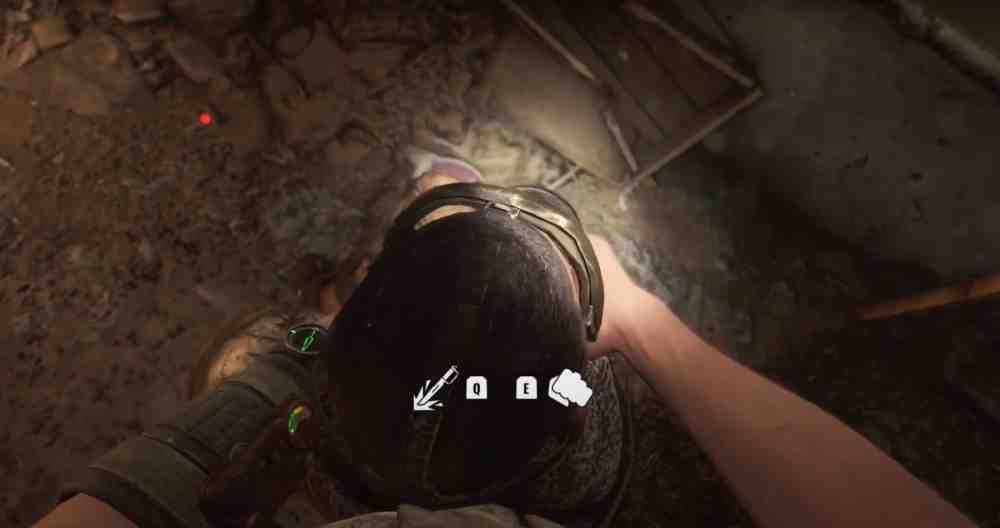
The Caspian is usually the hardest chapter to finish with the good outcome because its morality system revolves around the enslaved local population. To make Damir return to the Aurora, Artyom should help Giul's people, free slaves whenever possible, and avoid killing slaves or tribals even when they are armed or forced to oppose you. Slavers and Munai-bailer thugs can be killed, although surrendering enemies should still be spared. The chapter contains many separate Moral Points, so reducing the entire outcome to five or seven specific "flashes" is misleading.Damir's Fate Depends on How Artyom Treats Giul's PeopleDamir's Fate Depends on How Artyom Treats Giul's PeopleNear the beginning of the chapter, Saul attacks Artyom on the roof. When Artyom gains the advantage, knock Saul out instead of killing him to receive a positive Moral Point. Saul's later subplot is optional, but sparing him is an easy source of positive morality and there is little reason to throw it away. You can continue killing ordinary hostile slavers after this encounter, provided you distinguish them from the enslaved locals.Spare Saul for a Positive Moral PointSpare Saul for a Positive Moral PointAt Giul's lighthouse and during the subsequent communications-center mission, avoid harming wounded or enslaved locals. Giul asks Artyom to find a photograph of her mother inside the bunker, and returning that photograph does give a positive Moral Point. This corrects one of the major mistakes in the old version of this guide, which dismissed the photograph as irrelevant. Giul later gives Artyom a decorated canteen that can be passed to Nastya, but the photograph itself is the morality-relevant action.Avoid Harming the Locals Around Giul's LighthouseAvoid Harming the Locals Around Giul's LighthouseDuring the water mission with Damir, avoid killing the slaves and tribals inside the facility. Some of them may be armed because they are working under the Baron's control, but the chapter still treats them as victims rather than normal hostile troops. Use stealth and non-lethal takedowns where required, and pay attention to Damir's instructions. If you finish these sections without slaughtering the locals, you protect the positive morality accumulated earlier in the chapter.Do Not Kill the Slaves During the Water MissionDo Not Kill the Slaves During the Water MissionOptional slave camps are extremely valuable if you want a reliable Damir outcome. One important location is the derelict ship where captives are being held: clear the slavers and release the prisoners to earn another positive Moral Point. Other work camps around the map offer similar opportunities, and helping the slaves gives you much more room for error later. The original guide was correct that you do not necessarily need to perform every single rescue, but deliberately skipping all of them makes the final threshold much harder to reach.Free Slaves at the Derelict ShipFree Slaves at the Derelict ShipThe final assault on the Baron's fortress contains several slaves and tribals mixed among the guards. Keep your weapon holstered when the game expects you to enter peacefully, intervene non-lethally when slavers abuse prisoners, and avoid killing the locals during the climb. Once the final confrontation begins, the regular hostile slavers can be fought normally. If you earned enough Moral Points, Giul leaves to continue her fight while Damir returns with Artyom to the Aurora and the Damir achievement or trophy unlocks.Armed Slaves Should Be Knocked Out Rather Than KilledArmed Slaves Should Be Knocked Out Rather Than KilledFor the safest Caspian outcome:A High-Morality Caspian Ending Keeps Damir with the AuroraA High-Morality Caspian Ending Keeps Damir with the Aurora
The Taiga: How to Keep Alyosha from Being Wounded
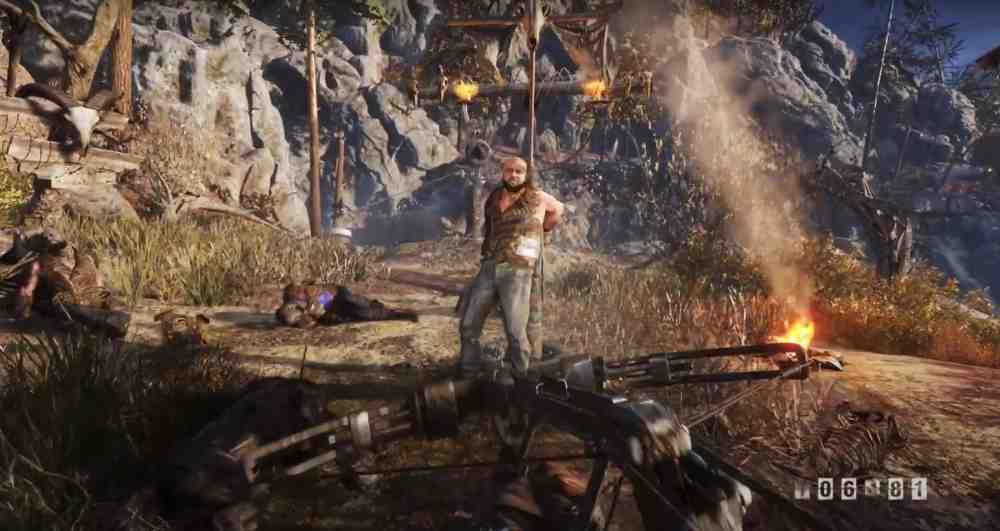
The Taiga determines whether Alyosha is wounded before returning to the Aurora. The Children of the Forest are divided into Pioneers and Pirates, and the game allows more nuance than the original guide suggested, but the guaranteed strategy is simple: do not kill either group. You may sneak past them, distract them, or use non-lethal takedowns when necessary. Actual bandits are different and can be killed without automatically damaging Alyosha's outcome.At the beginning of the chapter, Artyom can rescue a captured bandit instead of leaving him to die. Doing so grants a positive Moral Point and provides an easy buffer for the rest of the level. Later, another prisoner can be rescued from bandits, and peaceful encounters with members of the forest community can also reinforce the good route. None of this means that one early positive flash gives you permission to massacre the rest of the Children of the Forest, because the chapter still evaluates your overall conduct.Rescue the Captive at the Beginning of The TaigaRescue the Captive at the Beginning of The TaigaThe Pioneers are the group you should be especially careful around. They are more peaceful than the Pirates, and killing too many members of the Children of the Forest pushes Olga toward a hostile reaction at the end. If you are spotted, the chapter is not automatically lost, and knocking someone out does not automatically doom Alyosha either. However, the cleanest solution is to move through their camps using stealth and avoid unnecessary combat entirely.Spare the Children of the ForestSpare the Children of the ForestThe Pirate camp near the swamp is more aggressive, and some sources note that a limited number of Pirates can be killed while still keeping Alyosha safe. That does not make a lethal assault the recommended route, because every unnecessary death removes your margin for error. Sneak to the boat, use distractions, and knock out only the guards who genuinely block the route. The stricter Forest Child achievement requires completing The Taiga without attacking anyone or being detected, so a full ghost playthrough conveniently guarantees a very safe morality route as well.The Admiral should also be left alive. He is isolated at the sawmill and is not an obstacle that needs to be eliminated, so killing him only creates an unnecessary morality risk. You can sit with him for tea, listen to his dialogue, and continue toward the dam. By this stage, the safest principle is consistent: fight mutants and bandits when necessary, but show restraint toward the Children of the Forest.Leave the Admiral AliveLeave the Admiral AliveAt the end of The Taiga, Olga's reaction reveals whether you earned enough positive morality. If Artyom treated her people with restraint, she prevents the Children of the Forest from attacking and Alyosha leaves unharmed. If Artyom was excessively violent, they fire on the pair during the escape and Alyosha is hit by a crossbow bolt. The good result unlocks the Alyosha achievement or trophy.Alyosha Leaves The Taiga Unharmed on the Good RouteAlyosha Leaves The Taiga Unharmed on the Good Route
How to Guarantee the Good Ending
The easiest strategy is to aim for good outcomes in all three moral chapters instead of trying to calculate the exact minimum number of points. Keep Duke alive by sparing the Volga cultists, help the slaves in the Caspian so Damir returns, and avoid killing the Children of the Forest so Alyosha is not wounded. If you succeed with all three, you receive Full Strength and have more than enough crew members for the final transfusion. Even if one chapter goes wrong, the overall good ending is still available as long as the other two companions are preserved.In the good ending, Miller still sacrifices himself after the expedition into Novosibirsk, but the surviving crew members are able to give Artyom enough blood to save his life. Artyom later assumes command of the Order and the group begins building a new home away from Moscow. In the bad ending, Anna survives but Artyom dies from radiation exposure and joins Miller and other fallen companions in a final vision aboard a spectral train. The difference is not determined by a last-minute dialogue choice: it is the result of how Artyom treated people throughout The Volga, The Caspian, and The Taiga.
How to Get the Bad Ending
If you deliberately want the bad ending, you need to fail at least two of the three companion outcomes. Killing cultists and civilians in The Volga can lead to Duke being shot, abusing or ignoring the enslaved population in The Caspian can cause Damir to remain with Giul, and killing too many Children of the Forest in The Taiga can result in Alyosha being wounded. You do not need to commit every possible negative action, because each chapter has its own morality threshold. Once two companions are unavailable for the final transfusion, the bad ending is effectively locked in.The old guide was therefore right about one important principle but wrong about several supposed shortcuts: Metro Exodus does not require a completely pacifist playthrough, yet it also does not reduce each chapter to one secret mandatory action. Moral Points accumulate from multiple decisions, and optional acts such as rescuing prisoners or returning Giul's family photograph genuinely matter. Treat civilians and surrendering enemies as off-limits, listen to what your companions ask of you, and use the positive side objectives as insurance. That approach is both more reliable and much closer to how the game's hidden morality system actually works.