In this guide, you will find practical beginner tips for the main mechanics in Medieval Dynasty. The game has changed significantly since its Early Access years, and new players can now start on two different maps with very different opening routes. Below, I will explain what to do first, how to earn money, which quests are worth taking, how to hunt safely, and what to consider before placing your first settlement.
Where Should You Start?
The first thing to understand is that Medieval Dynasty now has two maps.
The Valley is the original story map. You begin near Gostovia and play as Racimir.
The Oxbow is a separate map that can be played solo or in co-op with up to four players. Your adventure begins around Piastovia, and you can create your own character.
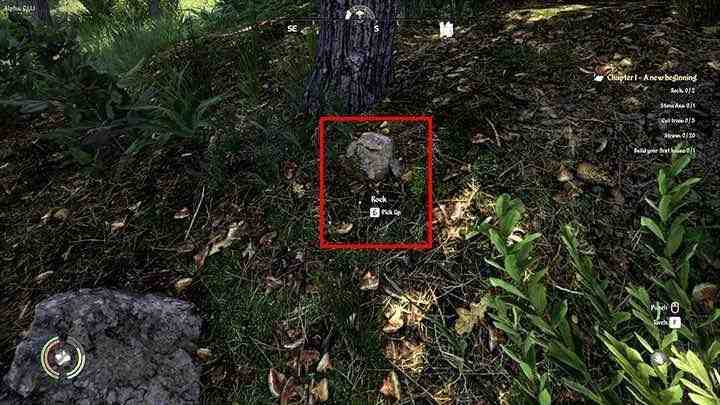
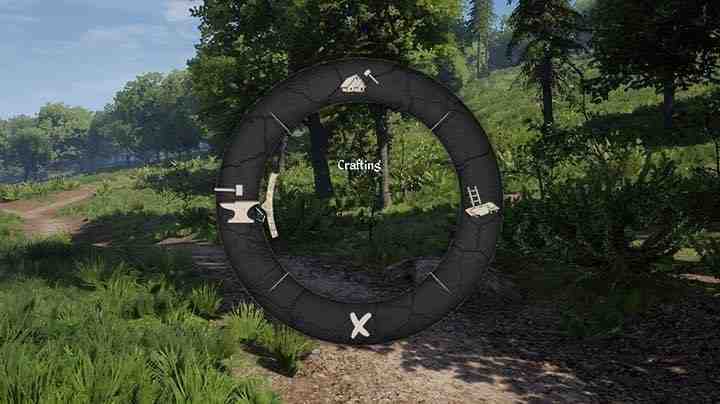
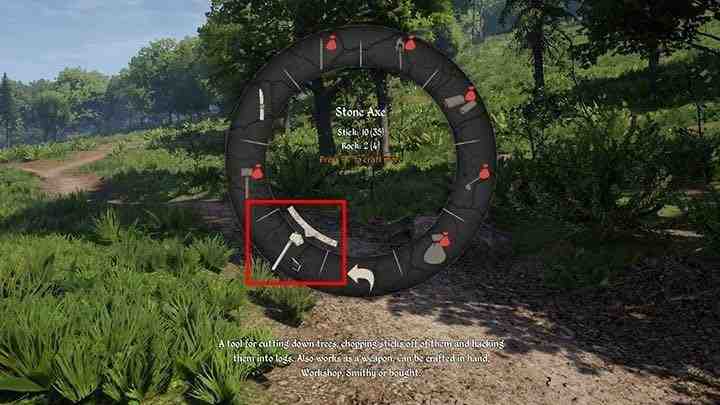
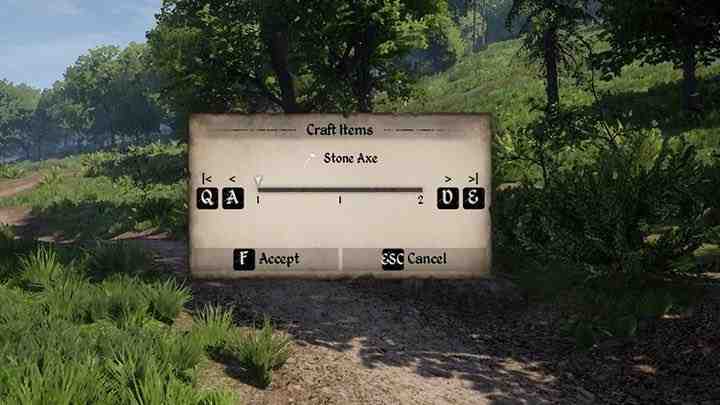
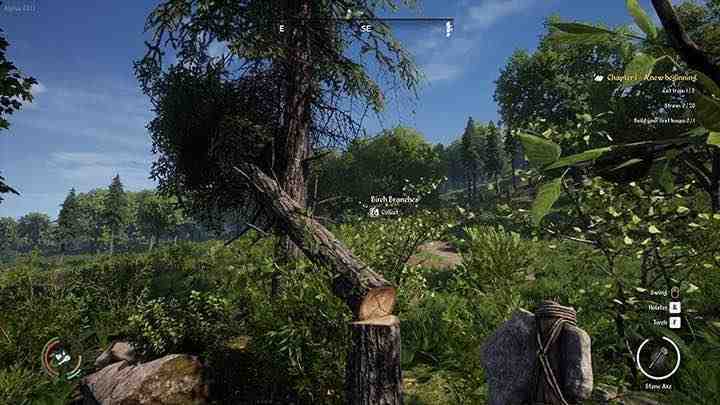
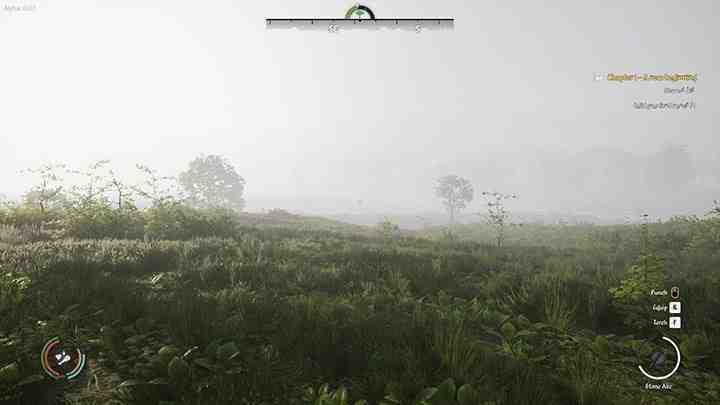
If this is your first playthrough and you want the original story, choose The Valley. If you want co-op or a more open-ended campaign, choose The Oxbow.On The Valley, follow the opening objective toward Gostovia and speak with Uniegost. On The Oxbow, follow the introductory quest around Piastovia. In both cases, the early priorities are almost identical: gather basic resources, craft tools, get food and water, and build your first house.Start by collecting 10 Sticks and 2 Stones. This is enough to craft a Stone Axe.Collect Stones and Sticks EarlyCollect Stones and Sticks EarlyOpen the radial menu with Q on PC and select the handcrafting section.Open the Crafting MenuOpen the Crafting MenuCraft the Stone Axe and assign it to a quick slot.Craft a Stone AxeCraft a Stone AxeIf you have enough materials for several copies of the same item, use the quantity selector in the crafting interface instead of repeating the recipe one item at a time.Craft Several Items at OnceCraft Several Items at OnceYou can now cut down trees and process them into Logs. Logs are one of the most important early resources because they are required for houses, production buildings, tools, and many settlement upgrades.Cut Down Trees and Collect LogsCut Down Trees and Collect LogsDo not spend the entire first day gathering hundreds of resources. Finish the opening chapter objectives as well. Chapters act as a tutorial, award large amounts of Dynasty Reputation, and gradually teach you how farming, hunting, settlement management, and recruitment work.
Complete Side Quests, but Watch the Season Timer
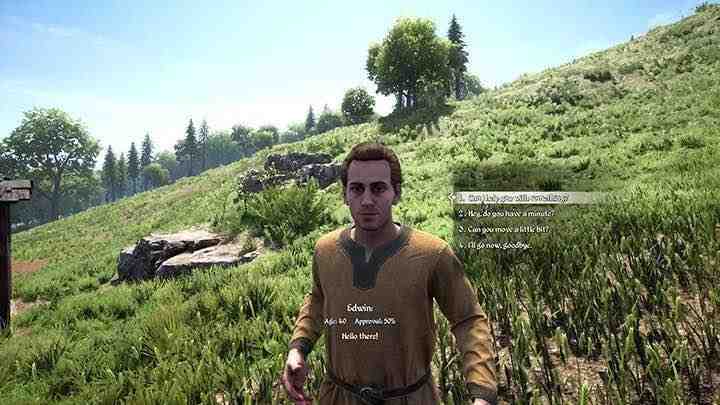
Talk to villagers marked with an exclamation point. They can offer small side quests that reward Dynasty Reputation, Coins, technology points, food, tools, or other useful items.Villagers Can Offer Side QuestsVillagers Can Offer Side QuestsDynasty Reputation remains important because it affects how many people you can recruit into your settlement.There is one major detail that old beginner guides often miss: most random side quests are seasonal. If you accept one and then let the season end without completing it, the quest fails and you may lose a small amount of Dynasty Reputation.For that reason, do not accept every quest you see on the final evening of a season. Check what the NPC wants first. If the task asks for a tool, animal, or material that you cannot realistically obtain before the season changes, leave it for later.
Do Not Rely on Selling Sticks, Mushrooms, and Berries
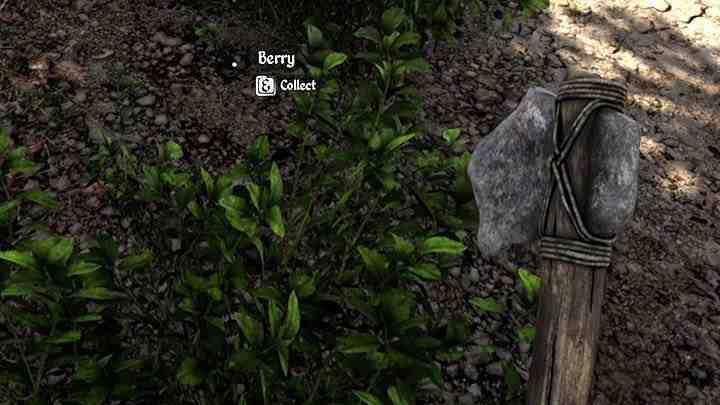
One of the oldest Medieval Dynasty money-making tips was to collect huge piles of Sticks, Berries, and Mushrooms and sell them to traders. You can still sell these items, but this is no longer a good way to spend your time.A better early-game approach is to combine several sources of income.
Explore abandoned camps, carts, ruins, and roadside locations. Sell equipment and valuables you do not need.
Craft simple tools from cheap materials. Stone Knives can still bring in some early Coins, but their value has been reduced compared with old versions of the game.
Hunt animals. Cook surplus Meat and sell Leather or Fur you do not currently need.
Start farming as early as possible. Flax remains one of the most useful crops because its seeds can be sold and Flax Stalk can later be processed into Linen Thread and Linen Fabric.
Move into metal tools later. Copper and Bronze products are much more efficient for making money once your production chain is established.
Sell Surplus Resources and Crafted GoodsSell Surplus Resources and Crafted GoodsDo not sell absolutely everything. Keep enough food, firewood, tools, seeds, fertilizer, and crafting materials for your settlement. A few extra Coins are not worth returning home to discover that your villagers have no fuel or that you sold the seeds you needed for the next planting season.Also remember that you will have to pay taxes every year. Expanding too quickly can increase your expenses before your settlement is capable of generating reliable income.
Carry Several Spears, but Do Not Fight Everything You See
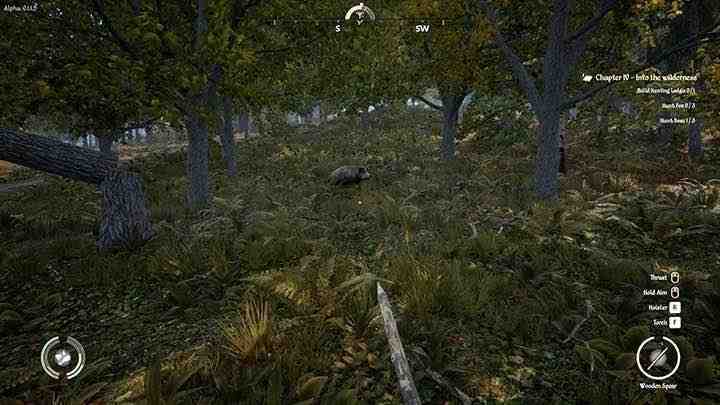
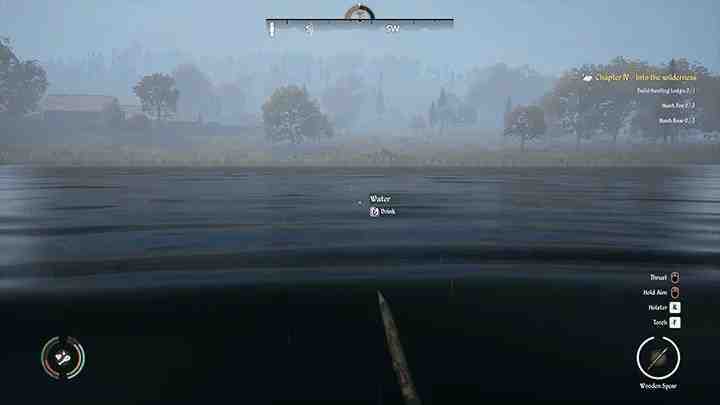
A Wooden Spear is one of the easiest ranged weapons to obtain at the beginning because it can be crafted from a Log. Carrying several is useful because early spears have limited durability and thrown weapons can be difficult to recover in grass or dense forest.Wooden Spears Are Useful Early WeaponsWooden Spears Are Useful Early WeaponsHowever, the old advice that three wooden spears are enough for almost any dangerous animal is no longer something I would recommend following.Rabbits, foxes, and other small animals are reasonable early targets. Boars are more dangerous but manageable if you keep your distance and land the first hit. Wolves, bears, and especially wisent can kill an unprepared character very quickly.Do not attack a wisent just because you happen to have three spears. These animals are extremely aggressive, fast, and powerful. Wait until you have better weapons, armor, healing supplies, and preferably a bow.Hunting and skinning animals awards Hunting skill experience. Later, the Tracker skill makes wild animals much easier to spot with Inspector Mode.Also carry a Stone Knife. Killing an animal is only half the job, and you need a knife to skin most of your prey and collect its resources.
Use Rivers and Waggoners to Save Travel Time
The Valley is divided by a large river, and crossing only at bridges can add a lot of unnecessary walking. In many places you can simply wade or swim across instead.Crossing the River Can Save TimeCrossing the River Can Save TimeWater still does not function like a full wetness system in many survival games, but do not confuse that with winter being harmless. Cold temperature is a real survival mechanic. Your character needs enough cold protection from clothing, and carrying a Torch can help in an emergency.This is especially important during the first winter, when a new character may still be wearing basic clothing.There is also a much faster option for long journeys: Waggoners. They can transport you between settlements for Coins. The price depends on the distance, so early in the game you may still prefer to walk, but once you have a stable income they save a great deal of time.Use travel time efficiently. Gather Sticks, Stones, Herbs, Feathers, and useful loot while moving between objectives instead of making separate trips for every resource.
Choose the Right Place for Your House and Settlement
Your first house will probably become the center of a much larger settlement, so do not place it randomly.The most useful settlement locations have several things nearby:
Flat land for houses, production buildings, and fields.
Trees for Logs and Sticks.
Water for easy access during the early game.
Roads or nearby settlements so quests and trading do not require endless walking.
Enough open space for future farming, animal buildings, and storage structures.
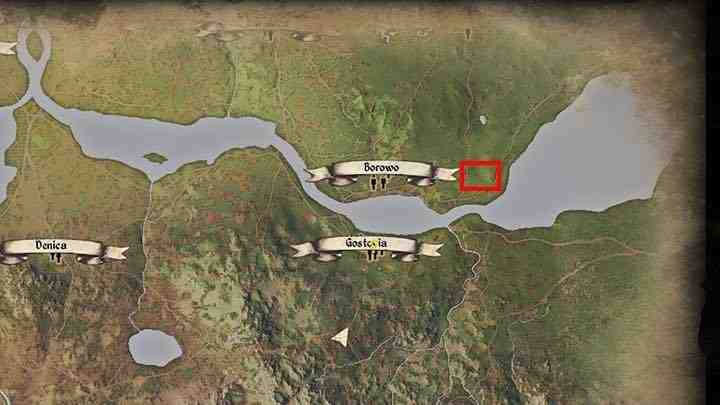
On The Valley, building somewhere reasonably close to Gostovia can still be convenient during the opening chapters because many early story objectives bring you back there. The large areas across the river east and west of Gostovia remain perfectly viable choices.A Large Flat Area Makes Expansion EasierA Large Flat Area Makes Expansion EasierLeave Enough Space for Fields and New BuildingsLeave Enough Space for Fields and New BuildingsOn The Oxbow, do not use Gostovia as a reference at all. The central settlement is Piastovia, and the map has a completely different layout. Choose your base according to the resources, villages, caves, roads, and terrain around the area you actually want to use.Do not worry too much about finding the mathematically perfect location. Resource Storage buildings share their inventory with other Resource Storage buildings, and later transport, workers, and production chains reduce the importance of being physically close to every resource.The bigger beginner mistake is choosing a beautiful but cramped hillside where you eventually discover that there is nowhere to place farms, houses, and larger production buildings.For a smooth start in Medieval Dynasty, keep things simple: follow the opening chapters, craft basic tools, build one good house, take only side quests you can finish before the season ends, avoid dangerous animals until you have proper equipment, and resist the temptation to expand your village faster than your food, firewood, and income can support it.