Contents
- Valor Mortis is made by the creators of Ghostrunner
- First-person perspective changes the way you approach combat
- Napoleon won at Waterloo, and that was only the beginning of the trouble
- Sabres, firearms, and supernatural powers work together
- The rapier makes you take more risks than the sabre
- Parrying opens the way to critical attacks
- Magic is powered by the same corruption destroying the world
- Lanterns replace bonfires, and death leaves your resources behind
- New abilities reopen old routes
- Dynamic FOV helps make huge bosses easier to read
- The demo used special versions of chapters rather than the finished campaign
- Vincent Cassel voices Napoleon, and Valor Mortis launches October 13
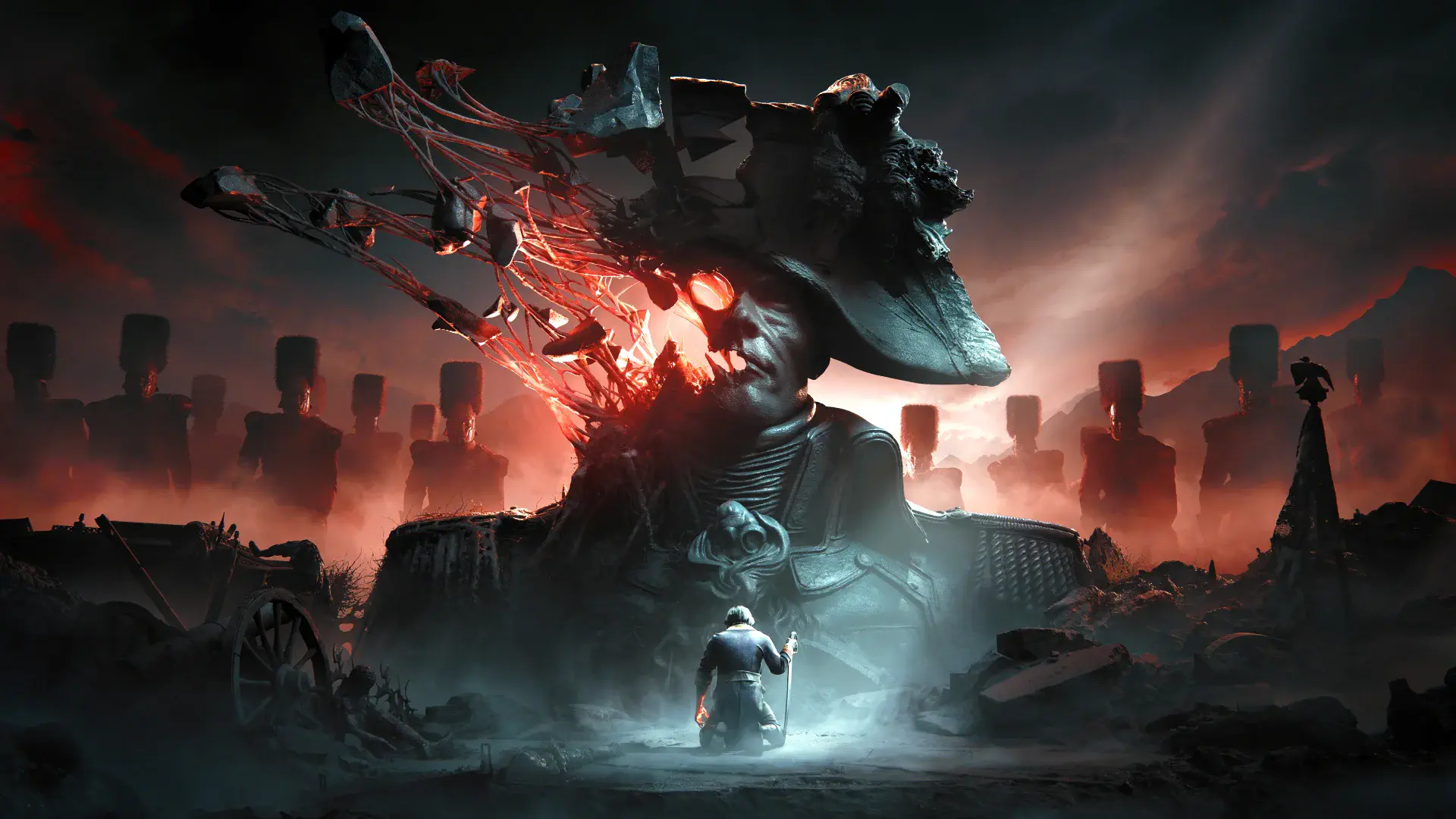
Valor Mortis takes players to an alternate Napoleonic Europe where soldiers return from the grave and a well-timed parry matters more than a polished uniform. In this article, we have collected 12 things to know about the first-person soulslike from the creators of Ghostrunner, including how combat works, why supernatural abilities matter, what changed after the demo, and when the game launches. Time to get acquainted before another mutant introduces us to the business end of a sabre.
The Standard Edition costs $39.99 / €39.99, while the Deluxe Edition costs $59.99 / €59.99. Regional pricing can differ. The Deluxe Edition includes cosmetic packs and a major story DLC planned for 2027. We previously covered the studio's pricing decision in our Valor Mortis price announcement.
Valor Mortis is made by the creators of Ghostrunner
The game is being developed by Polish studio One More Level, the team behind Ghostrunner and Ghostrunner 2. The developers already have plenty of experience with first-person action built around precise movement and fast reactions. In Valor Mortis, that experience has been adapted into a soulslike structure with stamina management, character progression, and the risk of losing accumulated resources after death. Do not expect a cyber-ninja in a Napoleonic uniform, though. The rhythm and the rules of survival are very different here.First-person perspective changes the way you approach combat
Most soulslikes let you see the entire character and keep track of the space around them. Valor Mortis puts you directly behind William's eyes, which makes an attack coming from the side a particularly unpleasant surprise. One More Level has said that the perspective forces players to pay much closer attention to corners and the surrounding environment. It is worth learning to meet enemies on favorable ground because a mob behind you is unlikely to wait politely while you finish a stylish duel.Napoleon won at Waterloo, and that was only the beginning of the trouble
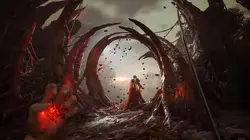
Valor Mortis takes place in an alternate 19th-century Europe where Napoleon won the Battle of Waterloo and expanded his rule with the help of a supernatural force. The protagonist is William Dowsett, an Englishman who fought on Napoleon's side in the International Legion, died in battle, and later woke up on the battlefield. A mysterious plague is now spreading across Europe, while many of William's former comrades have transformed into monsters. He needs to answer two questions at once: what happened to Europe, and why did he return from the dead in the first place?Sabres, firearms, and supernatural powers work together
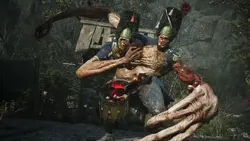
Combat combines melee weapons, firearms, and supernatural abilities. A pistol can be used to break enemy weak points, while the sabre handles most close-range fighting. Other weapons include the rapier and musket, and weapons can be upgraded as you progress. Having a firearm does not mean every problem can be solved safely from across the room. The system is built around switching between tools depending on the situation.The rapier makes you take more risks than the sabre
The rapier has one important limitation: it cannot rely on a normal block for full defense, so you need to depend on precisely timed parries. In exchange, it can hit enemy weak points without using a firearm. That makes it a more demanding, higher-risk weapon with extra offensive flexibility. We recommend learning spacing and defense with the safer options first before committing to the role of an untouchable duelist. The enemy probably did not read the same script.Parrying opens the way to critical attacks
Normal blocking and parrying produce very different results. A successful parry completely prevents damage and heavily damages the enemy's posture. Once their stance is broken, you can perform a critical attack. Normal hits also contribute to staggering an opponent, but accurate defensive timing gets you there much faster.Attacks marked with a red glow are unblockable and cannot be parried, so you need to dodge them instead. A perfectly timed dodge gives you an additional offensive window, turning defense into another opportunity to punish the enemy. Valor Mortis clearly wants players to read attacks rather than hold one defensive button until the problem goes away.Magic is powered by the same corruption destroying the world
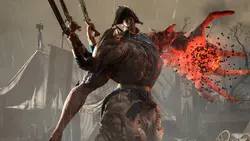
William's supernatural powers are called Transmutations, and using them consumes a resource known as Nephtoglobin. One Transmutation lets William attack with fire, while another can create a defensive barrier. The resource can be replenished during combat, including through interactions with enemy weak points.That creates an interesting dependency. The same corrupting force that has twisted soldiers and civilians across Europe is also what allows William to survive against them. The plague is not just part of the story or enemy design. It is built directly into the protagonist's combat toolkit.Lanterns replace bonfires, and death leaves your resources behind
Lanterns serve as the game's familiar rest points. At them, William can recover and spend Catalysts on character progression. When he dies, the Catalysts he was carrying remain at the place of death, forcing you to return and recover them. Die again before reaching them and the previous stash is lost.Resting at a Lantern restores health and Nephtoglobin, but it also brings ordinary enemies back. In other words, a safe break once again repopulates the route with things that would very much like to kill you. Soulslike traditions remain alive and well, even if half the soldiers are not.New abilities reopen old routes
Exploration borrows heavily from metroidvania design. Some areas are inaccessible when you first see them, but later movement and interaction abilities let you return and reach previously blocked routes. The developers have shown abilities that support traversal and environmental interaction, including grappling, pulling, and pushing objects.The world also contains secrets, shortcuts, and side quests beyond the critical path. If you enjoy spotting an unreachable ledge and returning later with exactly the ability needed to get there, Valor Mortis is built around that same satisfaction. We cover a similar style of exploration in our Well Dweller walkthrough.Dynamic FOV helps make huge bosses easier to read
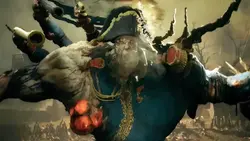
One of the obvious problems with first-person melee combat is figuring out what a giant enemy is doing when it fills most of the screen. For large boss fights, One More Level uses dynamic FOV scaling to make attacks easier to read. This is a concrete solution to the camera problem rather than a vague promise that giant bosses will somehow work in first person.How consistently the system helps across every encounter will only become clear after release, but the studio has already discussed the technique in its behind-the-scenes material. It is another example of the team adapting familiar soulslike conventions instead of simply copying them into a different camera perspective.The demo used special versions of chapters rather than the finished campaign
The demo included sections labeled Chapter I and Chapter VII, but One More Level rebuilt both specifically for Steam Next Fest. They were not simply slices lifted unchanged from the final campaign. The studio later explained that optimization, balance changes, and fixes from the full game could not simply be dropped back into those bespoke demo versions.There is also a major boss-placement difference. General Lothaire, who appeared at the end of Chapter I in the demo, is intended to be the boss at the end of Chapter II in the full game. By then, players will have spent more time learning the combat system and developing William. The demo went offline on September 8, 2026, so the old advice to "just download it and try it" no longer works. Its difficulty and polish should not be treated as a perfect representation of the release build either.Vincent Cassel voices Napoleon, and Valor Mortis launches October 13
Vincent Cassel voices Napoleon Bonaparte, while James Alexander plays protagonist William Dowsett. The cast also includes Jennifer English as The Shrike and Adam "Nergal" Darski as Captain Raphael. Valor Mortis launches on October 13, 2026 for PC, PlayStation 5, and Xbox Series X|S.This is a single-player game. Steam lists Russian interface text and subtitles, but not Russian voice acting. One More Level estimates that the main story offers around 20 hours of playtime. Treat that as the studio's estimate rather than a guarantee that every player will finish in exactly that amount of time.The Standard Edition costs $39.99 / €39.99, while the Deluxe Edition costs $59.99 / €59.99. Regional pricing can differ. The Deluxe Edition includes cosmetic packs and a major story DLC planned for 2027. We previously covered the studio's pricing decision in our Valor Mortis price announcement.
Sign in to leave a comment or rate this post.
Comments
Be the first to comment!